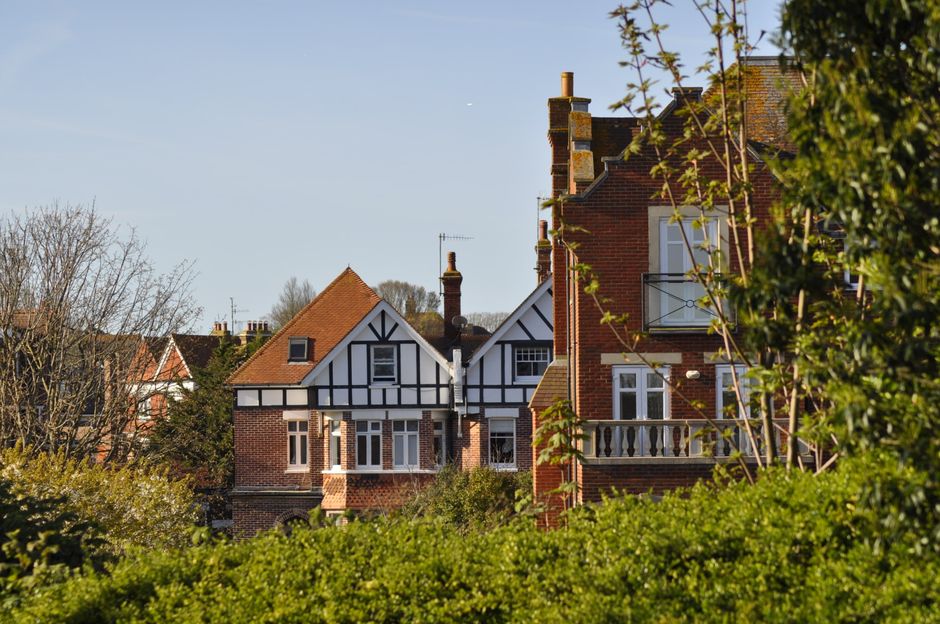
Local gardeners for period homes around Bromley Common
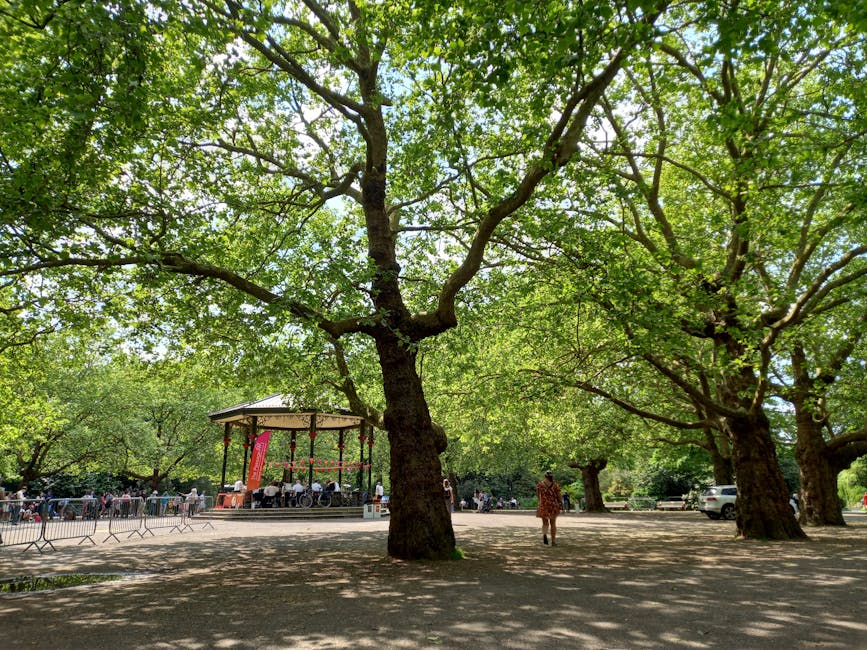
Older homes have a certain feel to them, don't they? The brickwork, the sash windows, the little quirks in the boundary walls, the garden that has quietly grown alongside the house for decades. But that charm can be surprisingly easy to upset. A hedge cut too hard, the wrong planting near a frontage, or an over-modern layout can make a period property feel oddly out of balance.
That is where Local gardeners for period homes around Bromley Common really earn their keep. The right gardener understands that a garden attached to a Victorian, Edwardian, or other character property is not just "outside space". It is part of the home's story. In this guide, we'll look at how local garden care works, what to expect, what to avoid, and how to choose practical improvements that respect the property while still making life easier.
Why Local gardeners for period homes around Bromley Common Matters
Period homes need a slightly different approach from newer builds. The garden frontage, paths, beds, hedges, lawn shape, and even the way the planting meets the house can influence how the whole property feels. A tidy, well-balanced garden can lift kerb appeal and keep the original character intact. A clumsy redesign can do the opposite very quickly.
Local gardeners bring a practical advantage too. They tend to understand the conditions in the area: the way shade settles, how wind moves through plots, what struggles in a semi-sheltered front garden, and what survives if a boundary gets a bit exposed. That local awareness matters. It means less guesswork and fewer expensive do-overs.
There is also the simple fact that period gardens often carry history. You may inherit mature shrubs, old trees, uneven borders, tired lawns, and hard landscaping that has been patched over time. None of that is a problem in itself, but it does need a careful hand. If you want a garden that feels authentic rather than overworked, this is where experienced, local help makes a real difference. For some jobs, a structured seasonal plan is useful; for others, a one-off reset is enough. Either way, the balance between character and maintenance is the key thing.
How Local gardeners for period homes around Bromley Common Works
Good garden care for period properties usually starts with observation, not action. A decent gardener will look at the structure first: the boundaries, mature planting, access points, drainage, sun and shade, and the age or condition of key features. Only after that comes the plan. That sounds obvious, but in practice plenty of problems begin when people jump straight to trimming, digging, or replacing things that were actually part of the garden's strength.
Typical work often falls into a few familiar stages:
- Assessment: checking what needs saving, reshaping, lifting, or removing.
- Prioritisation: deciding what affects safety, what affects appearance, and what can wait.
- Seasonal scheduling: timing pruning, planting, feeding, and lawn care sensibly.
- Selective improvement: updating only where it helps, so the garden still suits the house.
- Ongoing maintenance: keeping hedges, lawns, borders, and hard surfaces under control.
In many Bromley Common gardens, the best results come from subtle changes. That might mean refreshing the borders, improving drainage in a soggy patch, reducing a hedge without flattening it, or bringing a neglected lawn back into shape. The work may look simple from the street, but to be fair, the detail is where the difference shows.
If the garden has become heavy with weeds or overgrowth, it can help to start with a reset approach. A useful companion read is kickstarting a neglected garden transformation, which explores the mindset behind bringing tired outdoor spaces back under control.
Key Benefits and Practical Advantages
There are plenty of reasons people choose local gardeners for older properties, but the strongest ones are practical. You are not just buying labour. You are buying judgement, consistency, and a better fit for the home.
- Character-sensitive care: planting and pruning that respect the age and style of the house.
- Better kerb appeal: clean, balanced front gardens can make a period property look looked after, not overdone.
- Healthier planting: local knowledge helps avoid species that sulk in shade, dry out too fast, or blow over easily.
- Lower long-term effort: a thoughtful layout is easier to maintain than a rushed redesign.
- Safer boundaries and access: clear paths, tidy edges, and manageable hedging reduce everyday annoyance.
- Seasonal resilience: the garden is better prepared for cold snaps, storms, and those awkward wet weeks that seem to go on forever.
There is a quieter benefit too: peace of mind. A well-kept garden makes the whole property feel less demanding. You stop noticing the same overgrown corner every morning. You stop thinking, "I really must sort that out." It sounds small, but it adds up.
For planting ideas that work well in UK settings, ground covers that suit British gardens can help reduce bare soil, soften edges, and lower maintenance around older properties where neatness matters.
Who This Is For and When It Makes Sense
This kind of garden support is a strong fit for homeowners who want the garden to feel in step with the house. That includes:
- owners of Victorian, Edwardian, and interwar homes
- people restoring a property and wanting the outside to match the inside
- busy families who need a tidy, practical space without weekly hassle
- older residents who want safe, manageable outdoor access
- landlords or sellers who need a presentable exterior without unnecessary redesign
- anyone inheriting a garden that is mature but messy, which happens more often than people admit
It also makes sense when you are unsure how far to go. Should you renovate the whole plot, or just improve the bits that matter most? A local gardener can help you decide. Sometimes the answer is a light refresh. Sometimes it is hedge work, lawn recovery, and a better planting scheme. Sometimes it is simply removing the wrong things and stopping there. That restraint can be valuable.
If your garden is dark or enclosed, structure matters even more. Ideas from evergreen climbers for shade are especially useful where a period home has a narrow side return or a north-facing wall.
Step-by-Step Guidance
Here is a sensible way to approach the work if you are starting from scratch or almost from scratch.
- Walk the garden with fresh eyes. Look at it from the road, the back door, and the main windows. Ask what feels balanced and what jars.
- List the non-negotiables. Safe access, privacy, drainage, and visibility from inside the home usually come first.
- Identify what should stay. Mature shrubs, trees, and established boundaries may be part of the property's character, even if they need shaping.
- Sort the urgency. Dead growth, broken fencing, blocked paths, or unstable branches should not wait for "later".
- Choose a maintenance rhythm. Weekly, fortnightly, or seasonal support depends on how much growth the garden produces and how tidy you want it to feel.
- Make one improvement at a time. Small, steady upgrades usually work better than a dramatic overhaul. Gardens, like old houses, can be stubborn if rushed.
One useful habit is to think in layers: structure first, planting second, detailing last. In practice, that means you do not start by choosing flowers if the hedge line is wrong or the path is unsafe. It is a boring rule, but a good one.
For keeping on top of maintenance between visits, the article on three weed control tips is a practical place to start.
Expert Tips for Better Results
Period homes tend to reward restraint. A few well-judged moves will usually look better than a long list of changes. That said, there are some choices that consistently work well.
1. Keep the front garden in proportion
Front gardens on character properties are often quite visible, so scale matters. Avoid oversized planting that blocks architectural features. Use shape and repetition rather than clutter.
2. Treat hedges as structure, not just greenery
Hedges frame the property. Left alone, they can swallow windows and paths. Cut too hard, and they look brutal. A balanced trim matters. If the hedge has gone far beyond the point of a tidy snip, hedge trimming support can help restore shape without stripping character.
3. Use evergreen structure carefully
Evergreens give a garden backbone in winter, which is handy when everything else has gone a bit soggy and grey. But too much can make a garden feel flat. Mix them with seasonal texture.
4. Design for weather, not just looks
Wind exposure, heavy rain, and winter cold all shape what will thrive. If your plot catches a lot of weather, it helps to read up on wind resistance in gardens and garden protection tips before choosing plants or features.
5. Keep some old elements if they still work
An old path, mature lavender, or a traditional border shape can be worth saving. Period gardens lose their appeal when everything is replaced just because it looks tired. Sometimes tired is not the same as worthless.
For small updates that add polish without a full redesign, ideas from garden seating spaces and zen-style outdoor ideas can help you create restful corners that still feel appropriate to the house.
Common Mistakes to Avoid
Most garden regrets around period homes come from doing too much, too fast, or in the wrong order. It happens. People mean well.
- Over-pruning mature shrubs: this can leave a garden looking raw for months.
- Replacing character with trend-led features: a garden that suits a modern townhouse may look odd beside a Victorian frontage.
- Ignoring drainage: a pretty garden that turns to mud after rain is not a success.
- Using unsuitable plants: some species look lovely in theory but hate the local conditions.
- Letting weeds build up: once they take hold in borders and gravel, they become a job rather than a nuisance.
- Forgetting the view from indoors: you live with the garden through windows as much as from the patio.
There is also the temptation to go low-maintenance in a way that becomes bland. Minimal upkeep is a good target; visually empty is not. A better route is to use practical planting, clear edging, and tidy structures so the garden remains interesting without becoming needy.
If this sounds familiar, the guide on low-maintenance garden hacks gives a more realistic way to simplify without stripping out all personality.
Tools, Resources and Recommendations
You do not need every tool under the sun. In fact, most gardens improve faster when the kit is sensible rather than excessive. A good local gardener will usually arrive with the right mix for pruning, hedge shaping, mowing, edging, clearing, and tidying. For homeowners, a small, dependable set is enough for between-visit care.
- sharp secateurs for small stems and deadheading
- long-handled loppers for thicker growth
- a sturdy rake for leaves and debris
- gloves that actually fit, which is oddly underrated
- a hoe or hand fork for border weeds
- a hose or watering can for dry spells and new planting
- basic edging tools if you like a crisp lawn line
For more on what a practical toolkit looks like, see essential tools for outdoor maintenance.
Plant choice matters too. If you want easier borders, ground-cover planting can reduce exposed soil and limit weeding. If you have a narrow or shaded corner, climbers and vertical planting can create depth without eating space. For compact properties, vertical gardening ideas and container gardening offer useful ways to do more with less room.
And if you are trying to make the whole place kinder to family life, there are good ideas in playful garden design for kids and dog-friendly garden planning.
Law, Compliance, Standards, or Best Practice
For most domestic gardens, the main point is simple: work should be done safely, thoughtfully, and without damaging neighbouring property or protected features. If trees are involved, extra care is needed. Tree work, in particular, can trigger permission questions depending on location, size, and protection status, so it is sensible to check before cutting heavily. A good gardener will flag that rather than charging ahead.
On the practical side, safer work habits matter. That includes correct use of ladders, PPE where needed, careful handling of tools, and sensible waste removal. Reputable garden businesses also tend to have clear policies around insurance, safety, complaints, payment, and data handling. It is not glamorous, but it tells you a lot about how they work.
If you want reassurance on those basics, it is worth reviewing insurance and safety information, the health and safety policy, and the terms and conditions. If you are comparing providers, the pricing and quotes page and payment and security details are also sensible places to check.
That kind of transparency is reassuring, frankly. You want someone who treats the garden properly and the paperwork properly too.
Options, Methods, or Comparison Table
Different gardens need different levels of intervention. The right choice depends on condition, budget, and how much time you want to spend looking after the space afterwards.
| Approach | Best for | Typical strengths | Possible trade-offs |
|---|---|---|---|
| Light maintenance | Gardens that are already in decent shape | Fast, affordable, keeps things tidy | Does not solve deeper issues like drainage or layout |
| Seasonal restoration | Period homes with mature but tired planting | Balances character with improvement | Needs a bit of planning and patience |
| Full redesign | Very neglected gardens or awkward layouts | Can transform usability and appearance | Higher cost and more decisions to make |
| Targeted specialist work | Hedges, lawns, trees, or hard surfaces needing attention | Efficient and precise | May need multiple visits or different services |
For many Bromley Common period homes, a combination approach works best. For example, hedge shaping, lawn recovery, and border cleanup may do more for the feel of the property than a dramatic redesign. A bit of restraint goes a long way.
Case Study or Real-World Example
Imagine a semi-detached period house with a front garden that had quietly lost its shape over a few years. The hedge had grown soft and uneven, the lawn was patchy near the path, and the borders were full of self-seeded weeds. Nothing catastrophic. Just tired, and a bit apologetic-looking.
The first step was to avoid overreacting. The mature shrubs were kept, but thinned and lifted so they framed the house rather than hid it. The hedge line was straightened. The lawn was edged properly. A few ground-cover plants were introduced to reduce bare patches and stop the soil from drying out so quickly. The front path was cleaned, and the view from the front window improved immediately.
The important bit? The garden still felt like it belonged to the house. It did not look newly stamped onto it. That is the difference period-home gardeners aim for. You should notice the improvement without feeling that the garden has lost its voice.
In a back garden, the priorities might have been different. One side could be very shaded, another more exposed, and there may be a small seating area that needs better screening. In that case, climbers, hedging, and a smarter planting mix can help without crowding the space. Small steps, good order, no drama. Usually that works best.
Practical Checklist
Use this as a quick sense-check before you book work or start a garden refresh.
- Have you looked at the garden from the street and from inside the house?
- Do you know which mature plants, hedges, or trees are worth keeping?
- Are any paths, steps, or access points awkward or unsafe?
- Is there a drainage issue after rain?
- Do the planting choices suit shade, wind, and soil conditions?
- Is the front garden in proportion to the house?
- Are weeds, moss, or overgrowth becoming a repeated problem?
- Would a seasonal maintenance plan be enough, or do you need a reset?
- Have you checked whether tree work might need extra care before cutting?
- Do you want a garden that is simply neat, or one that also reflects the property's character?
If most of those questions produce a hesitant answer, that is fine. It usually means the garden would benefit from a proper look rather than another rushed weekend tidy-up.
Conclusion
Period homes ask a little more of their gardens, but they also give more back when the outside space is handled well. The best Local gardeners for period homes around Bromley Common understand that balance: practical upkeep, careful planting, and enough restraint to keep the home's character intact.
Whether you are sorting a neglected front garden, refreshing a mature back plot, or simply trying to stop the place looking tired after winter, the right approach is usually thoughtful rather than dramatic. Start with structure. Respect what is already there. Improve the bits that do the heavy lifting every day.
Get a free quote today and see how much you can save.
And if you are still weighing things up, that is perfectly normal. Good gardens are rarely rushed; they are built with a steady hand and a bit of patience, one sensible decision at a time.
Frequently Asked Questions
What makes gardeners suitable for period homes different from regular garden services?
Gardens attached to period homes often need a lighter, more considered touch. The goal is not just tidiness. It is keeping the property's character visible while improving day-to-day usability. That means better judgement around pruning, proportion, planting, and layout.
Can local gardeners help with a garden that has been neglected for years?
Yes. A neglected garden usually benefits from a staged plan: clearing, checking what should be preserved, then restoring the important features first. It is often easier than it looks once the overgrowth is removed and the structure is visible again.
How often should a period-home garden be maintained?
That depends on growth rate, hedge size, lawn condition, and how neat you want the garden to feel. Some properties only need seasonal visits, while others do better with more regular maintenance. The right rhythm is usually the one that prevents things from building up.
Will a gardener remove mature shrubs or trees?
Only if that is the right call. In many cases, mature planting is part of the property's charm and can be reshaped rather than removed. If a tree is involved, especially a larger one, it is sensible to check carefully before any major work.
How do I keep a period garden looking tidy without making it look modernised?
Keep strong lines, balanced planting, and traditional proportions. Avoid overfilling the space with too many contemporary features. A good gardener will usually suggest subtle improvements that freshen the garden without changing its feel.
Are hedges important in older gardens?
Very much so. Hedges often act as the visual frame for period properties. They give privacy, shape boundaries, and make front gardens feel ordered. If they become misshapen, the whole house can look a bit untidy, even if everything else is fine.
What should I ask before hiring a local gardener?
Ask about their experience with older gardens, how they approach pruning and maintenance, whether they can handle both tidy-up work and longer-term care, and how they deal with safety, insurance, and quotes. Those questions tell you a lot, quickly.
Is a redesign always necessary for a tired period garden?
No. Sometimes pruning, clearing, edging, and better planting are enough. A full redesign is only worth it if the layout is genuinely not working or the garden has drifted so far from the house that small fixes will not be enough.
Can local gardeners improve privacy without making the garden feel boxed in?
Yes. Privacy can come from well-placed hedging, climbing plants, and thoughtful screening rather than heavy walls of greenery. The trick is to soften views, not shut the space down. That balance matters a lot in smaller plots.
What if my garden gets strong wind or cold exposure?
Then plant choice and shelter planning become more important. Wind-resistant planting, protective structure, and proper seasonal care can make a big difference. The wrong plants in the wrong place will struggle, no matter how much you fuss over them.
How do I know whether I need garden maintenance or landscaping?
If the garden mainly needs ongoing care, such as mowing, hedge trimming, and border control, maintenance is usually enough. If you need layout changes, new features, better drainage, or a bigger transformation, landscaping may be the better fit.
Can I improve a period-home garden in stages?
Absolutely, and in many cases that is the smartest way to do it. Start with safety and structure, then move to planting and finishing details. Staged work tends to protect the character of the garden and makes costs easier to manage.