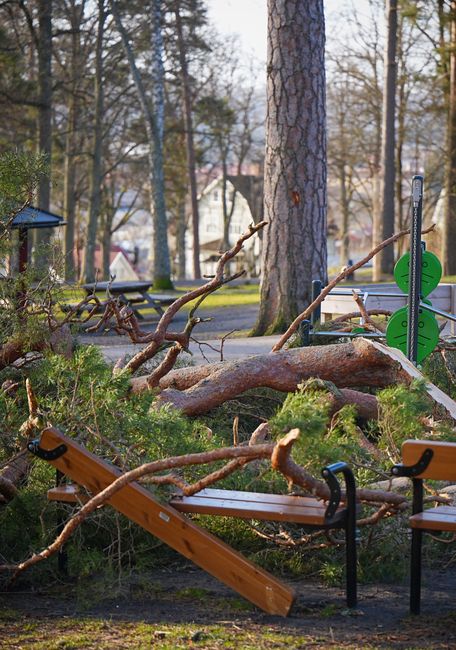
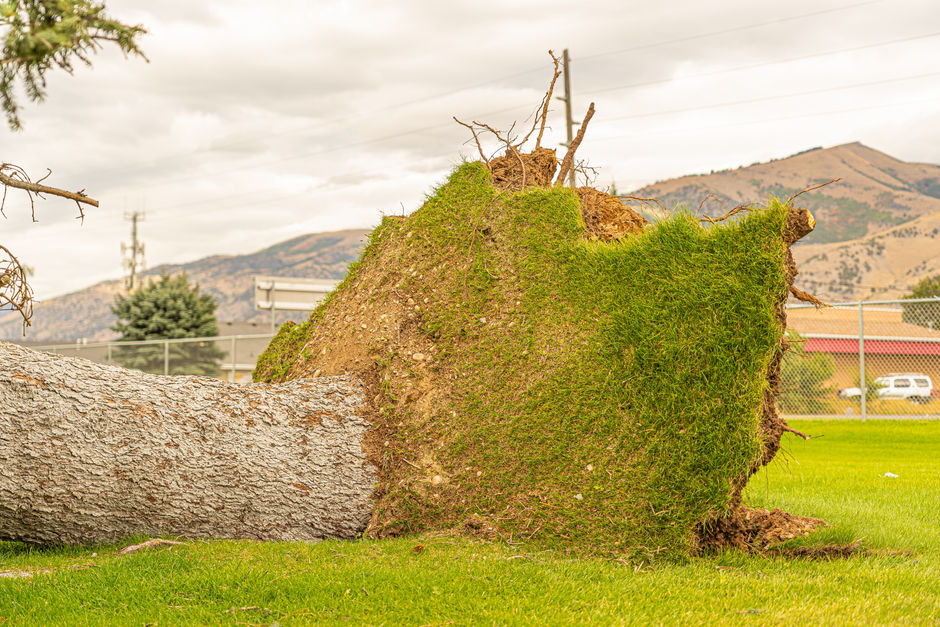
Urgent tree work gardeners in Eden Park for storm damage
Storms have a way of turning a normal garden into a stressful mess in minutes. One minute the trees are swaying; the next, a branch is across the drive, a trunk is leaning awkwardly, or bits of bark and leaf litter are scattered over the lawn like confetti nobody asked for. If you need urgent tree work gardeners in Eden Park for storm damage, the main thing is not to panic. The right response is calm, safe, and quick.
This guide explains what urgent storm-damage tree work involves, how it is handled, which risks matter most, and how to decide what needs immediate attention. It also covers the practical side: access, safety, cleanup, costs, and how to choose the right service for the job. If you are trying to protect your home, garden, or neighbours after high winds, this should give you a clear next step.
For broader help beyond the emergency itself, you may also want to look at tree surgery, tree lopping and removal, or even garden clearance if the storm has left a fair amount of debris behind.
Table of Contents
- Why urgent storm-damage tree work matters
- How urgent tree work works
- Key benefits and practical advantages
- Who needs this and when it makes sense
- Step-by-step guidance
- Expert tips for better results
- Common mistakes to avoid
- Tools, resources and recommendations
- Law, compliance, standards and best practice
- Options, methods and comparison
- Case study or real-world example
- Practical checklist
- Conclusion
- Frequently asked questions
Why Urgent tree work gardeners in Eden Park for storm damage Matters
Storm-damaged trees are not just an eyesore. They can become unstable, drop more branches, block access, or press against buildings and fences in ways that get worse over time. A branch that looks "fine for now" can suddenly split further after another gust. A leaning tree may be quietly lifting roots and shifting soil. That is where urgency comes in.
In Eden Park, as in much of London, gardens are often close together, with fences, sheds, paving, extensions, and neighbour boundaries all sitting in a tight space. That makes storm damage more than a simple tidy-up job. A broken limb overhanging next door, for example, can create both safety concerns and a neighbour issue. And let's face it, nobody wants to discover a cracked trunk at 7am after a windy night and spend the rest of the morning wondering if it will hold.
The main reasons urgent action matters are straightforward:
- reducing the risk of falling branches or tree failure
- protecting roofs, cars, paths, greenhouses, and fencing
- restoring access to drives, side passages, and entrances
- stopping further tearing or splitting after a storm
- making the site safe for people, pets, and neighbours
A good immediate response is usually a mix of assessment, make-safe work, and tidy removal. It is rarely about doing everything at once. First safety, then clearance, then any longer-term pruning or replacement decisions. That order matters.
Expert summary: after storm damage, the best work is often the work that prevents the next problem, not just the one you can already see.
How Urgent tree work gardeners in Eden Park for storm damage Works
Urgent tree work usually starts with a rapid site assessment. A professional will look at what has failed, what is still under tension, and what could fall next. This is important because storm damage is often messy. A branch may look snapped, but still be hanging on by a strip of bark. A tree may have a visible lean because roots have shifted. Or a limb may be resting on a fence and under pressure from the weight of the tree itself.
The process normally goes something like this:
- Assess the danger. Identify any immediate risk to people, property, roads, power lines, or neighbouring gardens.
- Isolate the area. Keep everyone away from the tree, especially children and pets.
- Decide the safest approach. This may involve sectional removal, crown reduction, branch removal, or simply making the area safe until further work is possible.
- Remove unstable material. The most dangerous sections are dealt with first.
- Clear debris and check again. Hidden stress points can still be present after the obvious damage is removed.
- Plan follow-up work. If the tree is salvageable, it may need further pruning, support, monitoring, or later work in calmer weather.
One important detail: urgent tree work is not always full removal. Sometimes the right answer is a careful reduction and tidy-up rather than taking the tree out entirely. That depends on the species, the position, the extent of damage, and whether the remaining structure is stable enough.
If the storm has also damaged surrounding features, pairing tree work with fencing repairs or wider landscaping may make sense once the immediate risk is under control.
Key Benefits and Practical Advantages
There is a big difference between "getting it dealt with" and getting it dealt with properly. Good urgent storm-damage tree work does more than remove broken bits. It helps restore control to a garden that has suddenly become unpredictable.
- Immediate safety. The biggest benefit is reducing the chance of injury or further property damage.
- Quicker access. Paths, gates, parking areas, and side returns can be reopened faster.
- Less secondary damage. Early intervention can stop a cracked branch from tearing further.
- Better long-term tree health. If the tree is worth keeping, correct pruning is better than a rushed hack job. Truth be told, a bad cut can cause more grief than the storm did.
- Cleaner recovery. A storm often leaves twigs, leaves, bark, broken timber, and scattered mess everywhere. Proper clearance helps the whole place feel usable again.
- Clearer decisions. Once the immediate danger is removed, you can make sensible choices about repair, replacement, or further maintenance.
For some households, the practical advantage is simply peace of mind. You hear the wind drop, look out at the tree in the half-light, and know it has been checked. That relief is worth a lot.
Where the storm has left the garden unmanageable, combining the tree work with general gardening services or ongoing garden maintenance can help prevent the same build-up from becoming a bigger problem next time.
Who This Is For and When It Makes Sense
Urgent storm-damage tree work is for anyone whose tree has become unsafe, unstable, or obstructive after high winds, snow, or a severe weather event. It is especially relevant if the damage is close to a house, shared boundary, driveway, shed, patio, or footpath.
You may need help if:
- a branch is hanging loose or split but not yet fallen
- the tree is leaning more than it used to
- roots have lifted or soil has cracked around the base
- a limb has hit a roof, fence, greenhouse, or vehicle
- the tree is blocking access to your home or garden
- there is any chance the tree could shed more material overnight
It also makes sense if you are not confident the tree can be assessed safely from the ground. Some situations are obvious. Others are not. A branch can conceal a tear, or the trunk can look stable while the root plate has actually shifted. You do not need to guess, and in fairness you probably should not.
For large failures, urgent tree work may be part of a wider recovery alongside garden clearance and, where necessary, more permanent tree lopping and removal.
Step-by-Step Guidance
If you are dealing with storm damage right now, the following sequence is usually the safest and least stressful way to handle it.
- Stay away from the danger zone. Do not stand under hanging branches or near a leaning trunk. Keep the area clear.
- Check for immediate hazards. Look for snapped limbs, power cables, blocked exits, broken glass, or damage to structures.
- Take quick photos from a safe distance. This can help you remember what happened and may be useful for your own records. No need to climb over anything for a better shot.
- Note what changed. Is the tree leaning? Is the crack in the trunk fresh? Has a fence been crushed? Small details can matter.
- Arrange urgent assessment. Prioritise the tree if it is near a building, entrance, or neighbouring property.
- Let the work team decide the safest method. A good operator will determine whether section-by-section removal, pruning, or temporary securing is the right move.
- Keep people and pets out until the site is safe. Even "small" branches can still shift unexpectedly.
- Plan the next stage. Once the danger is removed, decide whether the tree should be monitored, reduced further, or removed entirely.
If the storm has left the garden messy but not structurally dangerous, it may be worth pairing the urgent job with a broader tidy-up, such as patio cleaning or lawn care, once the heavy work is done.
Expert Tips for Better Results
A few small decisions can make a storm-damage job safer and cleaner. These are the bits people often overlook when they are understandably focused on the obvious broken branch.
- Do not try to "test" a damaged branch by pushing it. If it is under tension, it can snap back.
- Keep clear of root plates. A leaning tree may still be moving very slightly, especially in wet ground.
- Deal with access first. If the tree is blocking a gate or driveway, that usually becomes the priority.
- Ask whether the tree can recover. Some trees are structurally sound after selective pruning; others are not worth saving.
- Make sure the cleanup is included in the plan. A site full of cut wood and twigs is still a site people can trip over.
- Think ahead to the next wind event. A tree that failed in one storm may need a more cautious long-term strategy.
Here is the part many homeowners appreciate: a good urgent tree response does not rush the wrong cut. It balances speed with judgement. That balance is the whole game, really.
If the storm has also damaged nearby boundaries or left the garden looking exposed, it may be worth reviewing fencing or even longer-term landscape gardening to restore structure to the space.
Common Mistakes to Avoid
Storm damage tends to prompt quick decisions, and quick decisions are not always good ones. A few common mistakes show up again and again.
- Standing too close. The most common error is also the most dangerous.
- Trying DIY removal of large limbs. If a branch is trapped under tension or height is involved, leave it alone.
- Ignoring partial damage. A branch does not need to fall completely to be a hazard.
- Assuming the tree is fine because the leaves still look healthy. Storm failure is structural, not cosmetic.
- Delaying action because "it seems okay for tonight." Storms are unpredictable. Damage can worsen overnight.
- Using the wrong cleanup tools. A basic garden saw is not a substitute for proper storm-damage equipment and safe access methods.
There is also a quieter mistake: overreacting and removing a tree too quickly when it might actually be recoverable. Sometimes people feel so rattled by the storm that they want the whole thing gone immediately. Understandable, yes. But a measured assessment is usually the better call.
Tools, Resources and Recommendations
The right tools depend on the size and condition of the tree, but urgent tree work usually relies on a mix of inspection equipment, cutting tools, lifting or lowering gear, and debris clearance tools. In practical terms, that may include poles, saws, ropes, harness systems, protective equipment, and chipper-style cleanup support where appropriate.
For homeowners, the most useful "resource" is not a gadget. It is information and good judgment. A few recommendations help:
- keep a clear record of what was damaged and when
- avoid using the area until it has been checked
- make note of nearby structures, vehicles, and access constraints
- ask whether the tree needs follow-up monitoring
- be honest about any hidden issues, like previous splits or root movement
If you are comparing broader garden services after a storm, the following pages may also be useful depending on what else has been affected: hedge trimming for damaged boundary growth, lawn mowing once debris is cleared, and decking services if nearby structures have suffered from falling timber.
Law, Compliance, Standards and Best Practice
Storm-damage tree work sits in a space where safety, property responsibility, and professional judgement all matter. The exact legal position can vary depending on ownership, location, and the type of tree involved, so it is wise to be cautious rather than assume. If a tree is shared, close to a boundary, or affecting a neighbour, the conversation should stay calm and documented.
In the UK, sensible best practice usually includes:
- working to recognised arboricultural safety methods
- using appropriate personal protective equipment
- keeping bystanders away from the work zone
- checking for overhead hazards and unstable wood
- making sure disposal and clearance are handled responsibly
- being clear about what is immediate safety work versus optional follow-up work
Good providers also tend to be transparent about health and safety, insurance and safety, and how they handle pricing and quotes. That kind of clarity matters after an emergency, because nobody wants surprises while a tree is partly hanging over the path.
Where a tree is near shared boundaries, it is also sensible to keep a record of what was seen, what work was carried out, and whether the tree is likely to need monitoring. Not glamorous, admittedly, but very useful if questions come up later.
Options, Methods and Comparison Table
Not every storm-damaged tree needs the same response. The right method depends on the risk level, the type of failure, and whether the tree still has a stable structure.
| Method | Best for | What it solves | Typical downside |
|---|---|---|---|
| Branch removal | Broken limbs, hanging material, partial failure | Removes immediate overhead danger | May not address deeper structural weakness |
| Crown reduction | Trees with wind damage but useful remaining structure | Reduces sail effect and strain | Needs careful judgement to avoid over-pruning |
| Sectional removal | Unsafe large trees or blocked spaces | Allows controlled dismantling in tight gardens | More time-consuming than a simple cut-down |
| Full removal | Severely split, uprooted, or beyond recovery | Eliminates ongoing risk | Loss of tree and possible replanting costs |
| Temporary make-safe | When immediate conditions are too risky for full work | Stabilises the area until proper work can continue | Not a permanent fix |
As a rule, the safest approach is the least dramatic one that still removes the risk. Sometimes that is a neat limb removal. Sometimes, bluntly, it is not.
Case Study or Real-World Example
A typical storm call in Eden Park might go something like this. A homeowner opens the back door after a windy night and finds a large branch snapped from a mature tree, resting partly on a fence and partly over the lawn. Nothing has fallen on the house, which is good, but the branch is still moving slightly in the breeze. The gate is also a bit awkward to open because timber has shifted near the path.
The sensible response is not to drag the branch away by hand. Instead, the area is kept clear, the immediate hazard is assessed, and the branch is removed in a controlled way. Once the obvious danger is gone, the fence is checked, the remaining tree structure is examined, and the homeowner is told whether the tree needs follow-up pruning or replacement. A few photos are taken for records. The garden is left safe enough to use, which, after a storm, feels like winning a small battle.
In a slightly bigger version of the same scenario, the tree may be leaning toward a garage or pressing into a neighbour's boundary. Then the first task is make-safe work, not tidy appearance. That distinction is easy to miss when you are staring at a mess on the grass and wanting it gone now.
Practical Checklist
Use this checklist if you are dealing with storm damage right now.
- Keep people and pets away from the damaged tree
- Check for hanging branches, leaning trunks, or lifted roots
- Look for damage to roofs, fencing, sheds, vehicles, or paving
- Do not attempt to cut unstable timber yourself
- Take safe photos if needed for your own records
- Arrange urgent assessment if the tree threatens access or property
- Ask whether the tree needs pruning, removal, or just make-safe work
- Confirm debris removal and site cleanup are included
- Review whether nearby structures also need repair
- Plan follow-up maintenance once the garden is safe again
If the storm has exposed wider issues in the garden, it may also be a good moment to think about longer-term gardening support so the space is easier to manage before the next windy spell rolls in.
Conclusion
Storm damage to trees can feel sudden and unpleasant, especially when it happens close to home. The good news is that urgent tree work does not need to be chaotic. With the right approach, the immediate danger can be made safe, the garden can be cleared, and you can move from panic to a proper plan.
The key is to treat hanging branches, leaning trunks, and damaged roots as real hazards, not just garden mess. Once the risk is assessed properly, you will usually find there is a sensible route forward: remove the danger, protect the property, and decide whether the tree can be recovered or should be removed.
Get a free quote today and see how much you can save.
Frequently Asked Questions
What counts as urgent tree work after storm damage?
Urgent tree work is any tree-related job that needs quick attention because the tree, branch, or root system is unsafe or likely to cause further damage. Hanging limbs, lean, root lift, and blocked access are all common triggers.
Can I remove a storm-damaged branch myself?
Small, reachable debris is one thing, but larger broken branches should be treated with caution. If the wood is under tension, resting on something, or above shoulder height, it is safer to leave it alone.
How do I know if a tree is dangerous after a storm?
Look for clear warning signs such as cracking, a new lean, lifted roots, hanging limbs, or sudden movement in the wind. If the tree is near a building or entrance, get it checked rather than guessing.
Is a leaning tree always unsafe?
Not always, but a new or increased lean after storm damage is a serious concern. The key question is whether the root plate or trunk structure has shifted. That needs proper judgement.
Will urgent tree work always mean full removal?
No. Sometimes the safest option is selective branch removal or crown reduction. Full removal is usually reserved for trees that are too unstable or too damaged to keep.
What should I do first if a tree falls in my garden?
Keep clear of the tree, check for immediate danger to people or property, and avoid trying to move heavy timber. Then arrange an urgent assessment so the area can be made safe properly.
How long does storm-damage tree work usually take?
It depends on the size of the tree, the amount of damage, and access around the site. A simple branch removal can be quick, while sectional dismantling in a tight garden takes longer.
Can storm-damaged trees recover?
Sometimes, yes. If the main structure is still sound, a tree may recover with careful pruning and follow-up monitoring. If the trunk or roots are badly compromised, recovery may not be realistic.
What happens to the waste and debris?
In many cases, the cut material is removed as part of the job and the site is left tidy. If there is a lot of debris, it may be sensible to combine the work with broader garden clearance.
Do I need to worry about neighbours or shared boundaries?
Yes, especially if the damaged tree overhangs a neighbour's property or is near a boundary fence. Good communication helps, and keeping records of what was done is a sensible habit.
What is the difference between tree surgery and tree lopping?
Tree surgery is the more precise, professional approach to pruning, managing, and sometimes removing trees. Tree lopping is a more informal term and can suggest heavier cutting. In a storm-damage situation, careful tree surgery is usually the better framework.
Should I get quotes for emergency tree work?
Yes, but safety comes first. If the tree is dangerous, ask for immediate help and then discuss the scope and price once the risk has been identified. Clear quoting is helpful, especially for follow-up work.
Can urgent tree work be linked with other garden jobs?
Absolutely. Once the tree is safe, it can be practical to schedule related work such as hedge trimming, lawn care, or even repairs to nearby features like fencing.
What if the tree is close to the house?
That raises the urgency. Trees close to buildings need careful assessment because falling wood can damage roofs, gutters, windows, or extensions. Keep the area clear and avoid standing beneath any damaged part.
Sometimes the safest thing you can do after a storm is simply stop, breathe, and let a proper team take it from there. A garden can be restored. Safety comes first, and then the rest follows.