Affordable gardeners on Beckenham High Street for BR3 homes
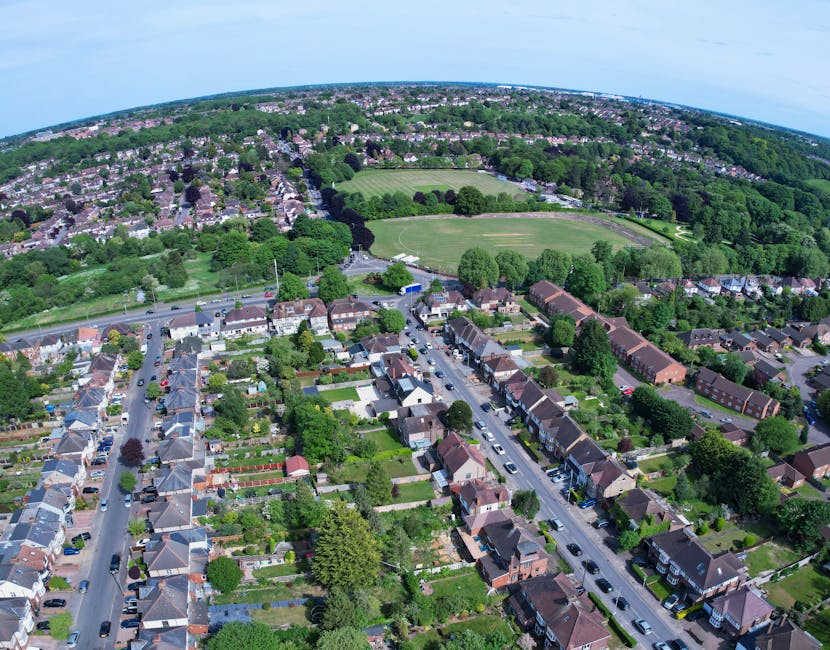
If you live in a BR3 home and your garden has started to feel like another weekend job, you are not alone. Many Beckenham homeowners want tidy borders, a healthy lawn, and a decent-looking front or back garden without paying over the odds. That is exactly where Affordable gardeners on Beckenham High Street for BR3 homes come in: practical help, sensible pricing, and regular maintenance that keeps everything under control without turning your budget inside out.
In a busy part of South East London, gardens pick up clutter quickly. Weeds move in fast, hedges get scruffy, and lawns can go patchy after a rough spell of weather. The good news? Affordable does not have to mean basic or rushed. With the right approach, you can get steady, reliable gardening support that covers the jobs you actually need, when you need them, and skips the unnecessary extras. Let's walk through how to choose well, what to expect, and how to get proper value for money.
Why Affordable gardeners on Beckenham High Street for BR3 homes Matters
Beckenham homes come in all shapes and sizes, but one thing they often share is limited time. People are juggling work, family, commuting, pets, and the usual life admin. That means gardens are easy to neglect, even when you really care about them. Affordable gardening matters because it gives you a way to stay on top of the work before it snowballs into a bigger, pricier job.
There is also a practical side to the location itself. Gardens close to a high street or busier residential route can collect more dust, litter, and footfall-related wear. Front gardens need to look neat. Rear gardens may need privacy, tidying, or a little more structure. A good local gardener understands that balance. They know when a simple refresh will do and when you actually need more substantial help, such as routine garden maintenance or a seasonal cutback.
And, truth be told, there is a comfort factor too. A cared-for garden changes how a home feels. You hear the difference as well as see it: less rustling weed growth, fewer dry twigs underfoot, fewer jobs nagging at the back of your mind. Not glamorous, maybe. But very real.
Expert summary: affordable gardening is not about choosing the cheapest person available. It is about getting the right level of help for your garden size, condition, and goals, so you pay for results rather than guesswork.
For homeowners who want cost control and consistency, a sensible first step is to look at service pages such as lawn care or lawn mowing support if the grass is the main issue. Those are often the quickest wins.
How Affordable gardeners on Beckenham High Street for BR3 homes Works
Most affordable gardening services follow a straightforward pattern. First, they assess the garden, either from a quick visit, photos, or a chat about what needs doing. Then they suggest the most practical scope of work. That might be a one-off tidy, a monthly maintenance plan, or a mixed visit that handles mowing, hedge cutting, weeding, and light clearance in one go.
The key thing is that good value usually comes from efficient planning. If a gardener can group the jobs sensibly, they spend less time moving around, and you avoid paying for repeated call-outs. That is especially useful in BR3, where many homes have compact front gardens, narrow side access, or mixed surfaces that need different handling.
In practical terms, affordable gardening may include:
- grass cutting and edging
- hedge shaping and light trimming
- weed removal from beds, paths, and patios
- leaf clearance and seasonal tidy-ups
- pruning of smaller shrubs and perennials
- basic planting, mulching, and border refreshes
Sometimes a job that looks like a big overhaul is actually better handled in stages. For example, a neglected back garden might need a first visit focused on clearance and safety, followed by a second round of planting and layout. That staged approach often protects your budget and makes the outcome better. If the space has got really out of hand, a useful starting point is practical neglected-garden recovery ideas.
One small but important detail: the best affordable gardeners explain what is included and what is not. No one enjoys surprise add-ons. A clear scope saves arguments later, which is nice for everyone, frankly.
Key Benefits and Practical Advantages
When you choose an affordable local gardener well, the benefits are not just cosmetic. Yes, the garden looks better. But there is more going on under the surface.
- Better upkeep over time: Regular visits stop small jobs becoming expensive messes.
- Cleaner outdoor spaces: Patios, borders, and paths stay usable instead of becoming a trip hazard or weed trap.
- More usable garden time: You actually enjoy the space instead of staring at chores.
- Improved plant health: Correct pruning, feeding, and seasonal care help plants recover and grow properly.
- More privacy and comfort: Hedges, climbers, and screening plants can make a real difference in close-knit streets.
There is also a smart money angle. A well-maintained garden often costs less to keep than a garden that is left for months and then "rescued" in one expensive blitz. Think of it like servicing a bicycle rather than replacing the chain every time it slips. Same principle. Less drama.
For homes with compact outdoor areas, small-space methods can be surprisingly effective. Vertical planting, pots, and climbers can add a lot of life without major expense. If that sounds familiar, have a look at vertical gardening ideas for tight spaces and container gardening tips for smaller outdoor areas.
And for the practical-minded reader: a good gardener should help you get more from what you already have, not push you into a full redesign unless it is genuinely needed.
Who This Is For and When It Makes Sense
This kind of service suits a wide range of BR3 homeowners, but it is especially useful if you fit one of these situations:
- you want a tidy garden but do not have time to maintain it yourself
- you have a lawn that needs regular care and edging
- your hedges, borders, or shrubs have outgrown a neat look
- you have just moved in and the garden needs a reset
- you prefer lower-cost, regular upkeep over a big one-off project
- you need help with seasonal jobs like pruning, leaf clearance, or winter prep
It also makes sense if your garden has a few specific pain points. Maybe the front garden looks fine from a distance but is full of weeds at the edges. Maybe the rear garden gets very dark and damp, and the same few plants keep struggling. In that case, the issue is not just maintenance, it is strategy. Shade-tolerant planting, better soil, and smarter layout can help. A useful read here is evergreen climbers for darker areas.
Sometimes the trigger is seasonal. A wet autumn, a windy winter, or a fast spring growth spurt can leave even tidy gardens looking tired. That is normal. Not a failure, just gardening in the real world.
Step-by-Step Guidance
If you want the best value from a gardener, a little preparation goes a long way. Here is a sensible process that keeps things clear and cost-conscious.
- Walk around the garden and list the jobs. Separate urgent work from nice-to-have extras. A lawn cut is not the same as a full border redesign.
- Take quick photos. This helps if you are requesting an estimate before a visit. It also makes it easier to compare quotes fairly.
- Decide your outcome. Do you want it tidy, low-maintenance, better for privacy, or more family-friendly?
- Ask what is included. Check whether waste removal, green disposal, hedge cuttings, or follow-up visits are part of the price.
- Book the work in the right season. Some jobs are easier and more cost-efficient at certain times of year, especially pruning and planting.
- Review after the first visit. Good gardeners welcome feedback. A short review helps them tune the next visit properly.
If your garden needs more than routine care, it can help to pair the service with a wider plan. For example, hedge work might be grouped with routine tidying, or a tired patio might be cleaned after the beds have been cleared. That sort of joined-up thinking keeps costs down. See also patio cleaning and hedge trimming support if those jobs are on your list.
One small note from experience: if you are planning a full clear-out, mention it early. A gardener arriving for a standard tidy-up and facing a jungle is nobody's favourite surprise. Not yours, not theirs.
Expert Tips for Better Results
Affordable does not mean cutting corners. It means spending wisely. These are the habits that tend to deliver the best outcomes.
- Bundle similar jobs together. Mowing, edging, and light weeding in one visit is often more efficient than splitting them across weeks.
- Use seasonal priorities. In spring and early summer, focus on growth control. In autumn, think clearance and preparation.
- Protect the basics. Healthy soil, sensible watering, and correct pruning usually beat expensive decorative changes.
- Choose low-maintenance plants where possible. Ground covers, hardy perennials, and structured shrubs reduce long-term effort.
- Ask for maintenance-friendly design. A good gardener can suggest layouts that are easier to look after between visits.
If you are after lower-effort planting, a mix of ground covers and sturdy climbers can be very effective. They fill gaps, cut down on weeds, and add texture without demanding constant attention. You can explore ground cover ideas for UK gardens and fast-growing hedge ideas for privacy for inspiration.
Also, be realistic about what you want from your garden. A child-friendly space, dog-friendly boundaries, and low maintenance can all coexist, but it takes a bit of planning. If your household includes pets, this becomes extra important; there is no point creating a lovely border that lasts five minutes under an enthusiastic Labrador.
Common Mistakes to Avoid
Most bad experiences with "cheap gardening" are not really about price. They come from poor decisions, vague expectations, or trying to do too much at once.
- Choosing only on price: the cheapest quote is not always the best value if it misses key tasks.
- Not checking scope: "tidy garden" can mean very different things to different people.
- Ignoring access issues: tight side paths, locked gates, or difficult waste removal can affect time and cost.
- Leaving work too late: once weeds seed and hedges thicken, the job becomes slower.
- Skipping maintenance after the first visit: a single tidy-up is helpful, but consistency is what keeps costs sensible.
Another common issue is expecting every garden to be treated the same. A windy, exposed garden needs different care from a sheltered one. A shady courtyard needs different planting from a sun-trap lawn. If your outdoor space takes a battering from the weather, this piece on building a more wind-resistant garden is well worth a look.
And yes, sometimes people ask for "just a quick tidy" when the whole area really needs a reset. That is fine, but it helps to be honest about it. Saves everyone time. Saves everyone a bit of face, too.
Tools, Resources and Recommendations
Even if you are hiring a gardener, it helps to know what good work looks like. A straightforward toolkit for home garden upkeep usually includes:
- secateurs for light pruning
- loppers for thicker stems
- a reliable lawn mower for regular cuts
- a rake and leaf collector for seasonal clearances
- a hoe or hand weeder for borders and paths
- gloves, stiff brushes, and bags for general tidying
If you like to stay involved between visits, a few small habits go a long way. Ten minutes of weeding after rain is easier than an hour later in the week. A quick sweep of the patio stops grime building up. Watering early in the day is usually better than waiting until everything looks a bit floppy. Simple stuff, but it works.
For garden owners who want to understand the mechanics a little better, the following pages can help shape better requests and better results: essential tools for outdoor maintenance, weed control tips, and low-maintenance garden ideas.
When a garden is especially cluttered or soil has been neglected, better soil management can make a huge difference. A tidy bed with poor soil still struggles. If that sounds familiar, the article on creating nutrient-rich soil is a useful companion read.
Law, Compliance, Standards, or Best Practice
For most domestic gardening jobs in Beckenham, the main compliance issues are simple but important: safety, waste handling, respectful working practices, and clear agreements. You do not need legal jargon; you need a service that behaves properly.
Good practice usually includes:
- taking care around paths, fences, decking, and other fragile surfaces
- using tools responsibly and keeping work areas safe
- agreeing what happens to green waste before the job starts
- being clear about any access needs or boundary concerns
- following reasonable health and safety steps on-site
If a gardener is carrying out heavier tasks, such as tree work or clearing awkward debris, it is sensible to ask how they approach safety. That is not being awkward; it is being responsible. You can review a company's general approach through pages like health and safety policy and insurance and safety information.
For customer peace of mind, clarity around payment, terms, and complaints handling also matters. Good businesses make these easy to find because they know trust is built in the small details. If you want to understand how a provider handles these practicalities, look at payment and security, terms and conditions, and complaints procedure.
One final best-practice point: if your garden work involves ladders, boundary trees, uneven ground, or slippery patio surfaces, the right precautions are not optional. A cheap job is never cheap if somebody gets hurt. That part should be non-negotiable.
Options, Methods, or Comparison Table
If you are deciding how to manage your garden, it helps to compare the common approaches side by side. The right choice depends on budget, time, and how much of the work you are comfortable doing yourself.
| Option | Best for | Typical strengths | Possible drawbacks |
|---|---|---|---|
| Do it yourself | Small, simple gardens and confident DIYers | Lowest direct spend, full control | Time-heavy, easy to fall behind, uneven results |
| Occasional one-off gardener | Seasonal tidy-ups and clearances | Good for resets and bigger jobs | Can drift if visits are too infrequent |
| Regular affordable gardening | Busy households wanting steady upkeep | Predictable, cost-conscious, less stress | Requires a small ongoing commitment |
| Full landscaping project | Major layout changes or redesigns | Transforms the whole space | Higher cost, longer planning, more disruption |
For many BR3 homes, regular affordable maintenance wins out. It keeps the place looking cared for without the emotional and financial whiplash of starting from scratch every few months. If you are considering more than maintenance, you might also compare landscaping, fencing, or decking services depending on what the garden actually needs.
Case Study or Real-World Example
Here is a realistic example based on the sort of brief many local homeowners give. A Beckenham couple had a narrow front garden and a medium-sized rear space that had drifted for most of the year. The lawn was uneven, the borders were full of weeds, and the hedge had become too wide for the path. Nothing dramatic, just one of those gardens that slowly starts nagging at you every time you come home.
Instead of booking a big redesign, they chose a staged approach. First visit: mow the lawn, edge the borders, clear weeds, trim the hedge, and tidy the paths. Second visit a few weeks later: refresh the soil, add a few hardy plants, and simplify the planting so it would be easier to maintain. They also adjusted the layout slightly to improve privacy and reduce the amount of exposed bare soil. Nothing fancy. Just sensible.
The result was not a show garden, and that is the point. It became a pleasant, manageable space again. The family could use it without thinking about the mess. The front looked smarter from the street. And because the work was done in stages, the budget stayed under control. That kind of outcome is often better than chasing a dramatic one-off transformation that you can barely afford to keep up.
If a garden like that is sounding a little too familiar, there are useful ideas in family-friendly garden planning, calm outdoor spaces, and practical seating area design.
Practical Checklist
Use this checklist before you book or brief a gardener. It keeps things tidy and saves a surprising amount of back-and-forth.
- Do I know which jobs matter most right now?
- Have I separated urgent work from optional work?
- Have I taken photos of the areas that need attention?
- Do I know whether I want a one-off visit or regular maintenance?
- Have I asked what is included in the price?
- Do I understand how waste will be handled?
- Is access to the garden straightforward?
- Have I mentioned pets, children, or any special safety concerns?
- Have I thought about privacy, shade, drainage, or wind exposure?
- Do I want simple upkeep, a better layout, or a longer-term planting plan?
If you can tick most of those off, you are in a good place. If not, no drama. The point is to clarify things before the work starts, not after someone is already halfway through the hedge.
Get a free quote today and see how much you can save.
Conclusion
Affordable gardening for BR3 homes is really about getting the right help, at the right time, for the right jobs. Not too much. Not too little. Just sensible, steady support that keeps your outdoor space looking cared for and usable without pushing your budget around.
Whether you need a lawn brought back under control, a hedge trimmed, weeds cleared, or a garden reset after months of neglect, the best results usually come from simple planning and honest priorities. That is the bit people often miss. A good gardener does not just cut things back; they help you make better choices about what to keep, what to simplify, and what to improve next.
And if your garden has felt like one more thing on an already full plate, fair enough. You do not need perfection. You need progress. Small, visible progress. The kind that makes you step outside on a Saturday morning and think, yes, this feels better now.
Frequently Asked Questions
What do affordable gardeners on Beckenham High Street for BR3 homes usually do?
They typically handle mowing, edging, weeding, hedge trimming, border tidying, seasonal clearance, and light planting. Some also help with patio or garden maintenance tasks when needed.
Is affordable gardening the same as cheap gardening?
No. Affordable gardening should still be reliable, safe, and well planned. Cheap gardening can mean rushed work or unclear pricing, which usually costs more later.
How often should a BR3 garden be maintained?
It depends on the size and planting, but many gardens benefit from regular visits during the growing season and lighter upkeep in the colder months. A simple monthly or fortnightly rhythm often works well.
Can a gardener help if my garden is badly overgrown?
Yes. In many cases, a first visit focuses on clearance and safety, then follow-up visits restore order. If the area is heavily neglected, it is often better to tackle it in stages.
What should I ask before booking a gardener?
Ask what is included, whether waste removal is covered, how long the visit will take, what equipment is used, and whether they recommend one-off or regular maintenance. Clear questions make for clearer quotes.
How do I keep gardening costs down over time?
Bundle jobs together, stay on a regular schedule, use low-maintenance planting, and avoid waiting until everything has become overgrown. Small, consistent care is usually cheaper than emergency catch-up work.
Do affordable gardeners also help with hedges and shrubs?
Yes, many do. Hedge trimming and shrub shaping are common requests, especially in homes where privacy, boundary neatness, or light control matters.
Can gardeners improve privacy in a small Beckenham garden?
They can, often by shaping hedges, suggesting climbers, or planning planting that creates screening without making the space feel cramped. It is a practical fix, not just a cosmetic one.
What if my garden gets a lot of shade or wind?
That is very common in residential areas. The solution is usually to choose plants and maintenance routines that suit the conditions rather than fighting them. Shade-tolerant and wind-resilient planting can make a big difference.
Are regular garden visits worth it for a small property?
Often, yes. Small gardens can look messy quickly, especially if weeds and lawns are left alone for too long. Regular visits keep the work short, manageable, and more affordable in the long run.
How do I know if I need garden maintenance or landscaping?
If the garden mainly needs ongoing care, maintenance is usually the better fit. If you want to change the layout, add hard landscaping, or redesign the space, then landscaping is the more suitable route.
What is the best next step if I want help soon?
Make a short list of the jobs you want done, take a few photos, and use that to request a clear estimate. If you want to talk it through, the easiest next step is to get in touch with the team here.